Four weeks before my wedding, my father called and told me to postpone it for my sister’s engagement party. He spoke as though moving a $50,000 celebration, planned over 347 days, were no harder than changing a dinner reservation. If I refused, he warned, no one in the family would attend. I stood in the kitchen beside the seating charts, vendor contracts, and ivory invitations I had paid for myself, feeling something inside me finally go quiet. “I understand,” I said, then ended the call. Across the room, my fiancé, Daniel Whitmore, studied my face and asked what happened.
My parents had always treated my sister Megan’s milestones as emergencies and mine as background noise. They had skipped my college graduation because Megan was upset over a breakup, ignored my promotions, and contributed nothing to the wedding. Now Megan’s fiancé had secured a last-minute opening at the Grand Sterling Country Club on the same weekend as my ceremony, and my parents expected me to disappear. Their messages arrived quickly: I was selfish, immature, and free to marry Daniel at a courthouse later. When they threatened to withdraw “support” they had never given, Daniel calmly took my phone and typed one sentence: “Before insulting our wedding again, you may want to learn what my last name means.”
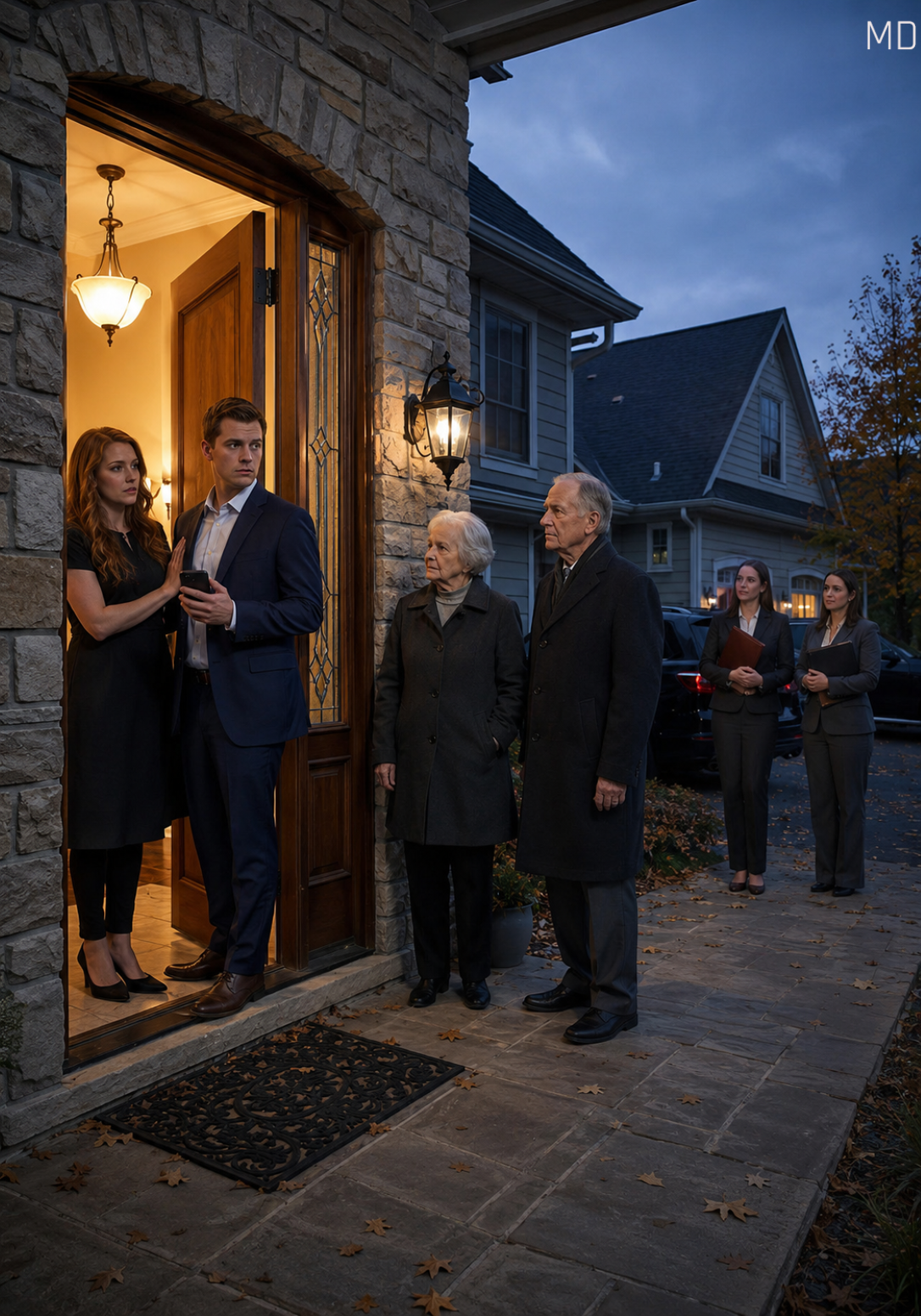
The family chat went silent. Within minutes, my mother began calling in a panic. Daniel had never advertised that his family owned Whitmore Enterprises, a multibillion-dollar real-estate and hospitality company that managed the Grand Sterling. Worse for Megan, her future father-in-law’s struggling law firm was pursuing a major Whitmore contract. He had apparently seen the family messages, searched Daniel’s name, and realized whom they had mocked. That evening, my parents and Megan appeared at our door begging us to repair the damage. Megan admitted the country club had stopped returning calls and her engagement could collapse. She demanded that I contact Daniel’s father and tell everyone the insults were a misunderstanding.
For the first time, I refused to rescue them. I told Megan she was finally getting the moment she wanted, then Daniel closed the door. The country club canceled her party, her fiancé ended the engagement, and my father’s later court claim failed after Whitmore attorneys answered with the contract, documented messages, and legal costs he could not sustain. Meanwhile, Daniel and I married in a ballroom filled with people who genuinely loved us. His parents welcomed me without conditions, and I eventually opened my own design practice. A year later, my mother left a voicemail asking to reunite at a Whitmore gala, not to apologize, but to restore the family’s social image. I deleted it. My family had spent years teaching me to step aside; walking away showed me that boundaries were not cruelty. They were the beginning of a life that finally belonged to me.